
Quick answer: To replace a lost Ohio vehicle title, take a notarized Form BMV 3774 marked Duplicate Certificate of Title to any county Clerk of Courts title office with a valid photo ID. The Ohio vehicle title replacement fee is set by each county, commonly around $15, and the clerk prints the duplicate on the spot; the mail route adds a self-addressed stamped envelope and a wait of one to two weeks.
Ohio splits its vehicle agencies in a way no other state quite copies: the BMV does not issue titles. Every Ohio title, duplicate, transfer, and new certificate, runs through a county clerk of courts title office. The duplicate costs roughly $15, set by each county, buyers have 30 days from the sale to transfer before a $5 late fee attaches, and the title fee line is $18 statewide, climbing to $23 where county officials approve. As of October 2026, the clerk system remains the front door for every title task in the state.
The split explains Ohio's quirks. Two neighboring counties can quote different duplicate fees, dealer purchases complete electronically without anyone visiting a title office, and private sales always end at a clerk counter somewhere. This guide walks the system from the duplicate desk to the tax line.
Table of Contents
- When Ohio Requires a Title
- Replacing a Lost or Damaged Ohio Title
- Ohio Title Fees at a Glance
- The Private Sale Transfer, Step by Step
- The 5.75 Percent Base and the County Stack
- Plates and Registration After the Sale
- Moving Into (or Out of) Ohio
- Ohio Edge Cases: Liens, Inheritance, and Electronic Titles

When Ohio Requires a Title
Ohio titles every motor vehicle operated on its roads, and the certificate is the ownership document for cars, trucks, motorcycles, and the rest of the rolling fleet. The registration proves the right to drive; the title proves the own, and Ohio pairs the two at every sale, since the buyer leaves the clerk's office with both moving forward.
The clerk of courts structure is the defining feature. Ohio has 88 counties, and each clerk's title office sets certain local fees within state law, which is why state guides quote ranges for the duplicate while the title fee itself holds at a statewide figure. The BMV side handles registration, plates, and licenses, and never touches a title certificate.
Liens record on the Ohio title. While a loan is active, the lender holds the lien on the certificate, and most Ohio lenders hold titles electronically until payoff releases the lien and paper prints. An owner paying off a loan in Ohio usually waits for the electronic release before any duplicate request makes sense.
Replacing a Lost or Damaged Ohio Title
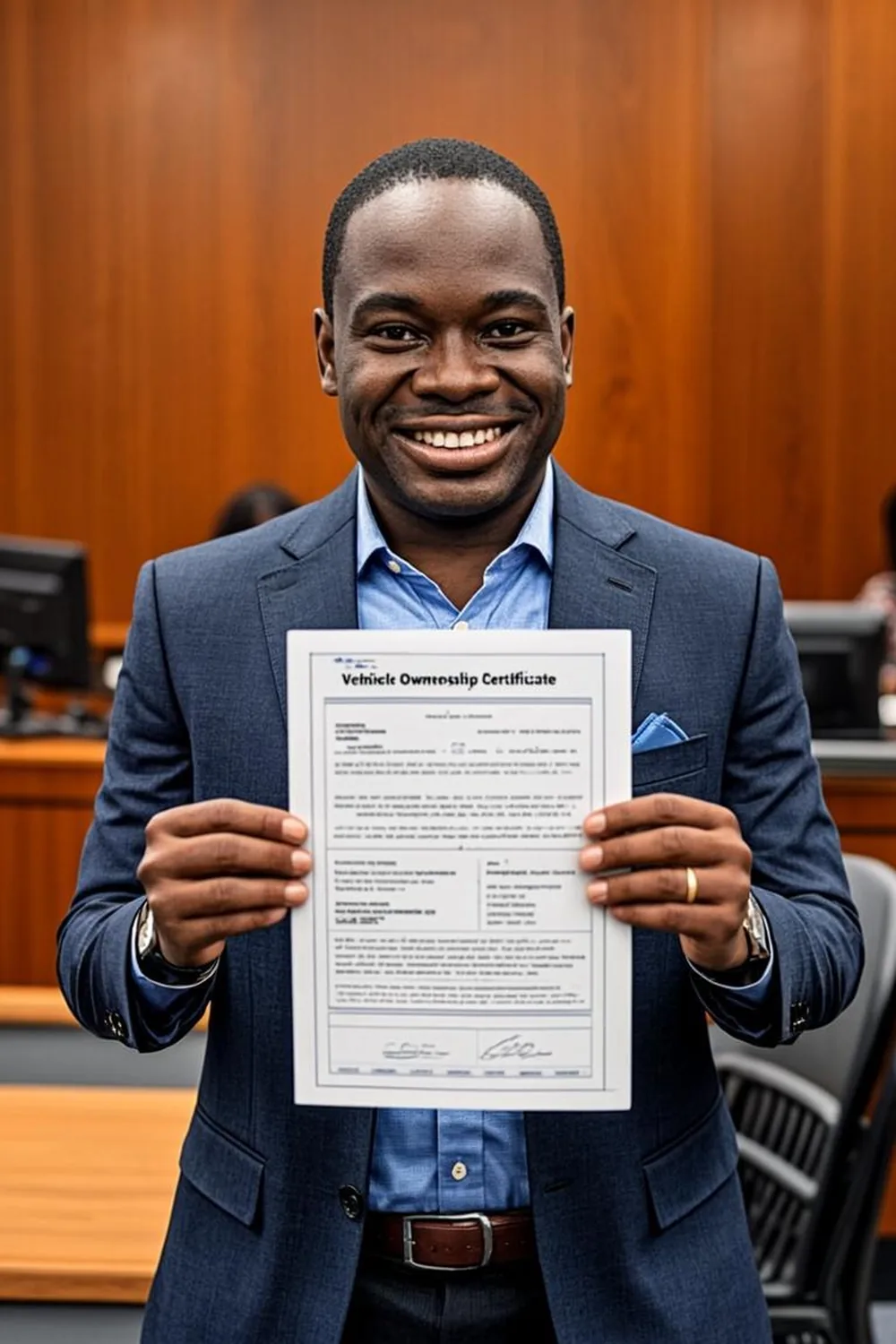
The duplicate path runs through the county clerk of courts title office. An owner brings valid photo identification and requests the duplicate at the counter, paying the county-set fee, commonly around $15. Clerks also accept mail applications where offered, and the state provides a mail-in route for owners who cannot reach an office, including the out-of-state owner form on the BMV's site that covers Ohioans who moved away and still hold Ohio-titled vehicles.
The application identifies the vehicle by year, VIN, and the owner information on record. If a lien appears, the lien must be released before the duplicate prints clean, which makes the lien check the first step for anyone with a paid-off loan on an old certificate. Damaged certificates should be surrendered when possible, since the clerk cancels the old document when the replacement issues.
Speed is a genuine Ohio advantage. Because the clerk prints and issues on the spot, a duplicate that takes two to four weeks by mail in Albany or Harrisburg is usually a same-visit document in Ohio, and that difference matters when a sale, a refinance, or a court date sits on the calendar.
Ohio Title Fees at a Glance
| Item | Cost | Notes |
|---|---|---|
| Duplicate title | ~$15 | County-set fee at the clerk of courts title office |
| Title fee at transfer | $18 | Statewide; up to $23 where counties approve |
| Late transfer fee | $5 | When the transfer files after the 30-day window |
| Sales tax, private sale | 5.75% + county | Combined rates roughly 6.5% to 8% by county |
| Electronic title filing | No extra fee | Dealer submissions through the state system |
The county variation is the takeaway line. The state sets the title fee floor and lets counties add where approved, and the clerk collects the sales tax on the vehicle at the same counter, so the receipt at a Columbus title office and a Cleveland title office can differ on two lines without either being wrong.
The Private Sale Transfer, Step by Step
- Seller signs the title. The assignment on the back carries the buyer name, the odometer at sale, the price, and the date, with the notarization Ohio requires on the assignment. Many clerks offer notary services at the title office, which makes the one-trip sale routine.
- Seller pulls the plates. Ohio plates belong to the owner, so the seller removes them at the handoff and transfers the plates to their next vehicle or surrenders them to the registrar for credit.
- Buyer gathers the package. The signed title, a bill of sale documenting the price, photo ID, and proof of insurance for the registration step cover the clerk's checklist.
- File within 30 days. The buyer visits the clerk of courts title office in their county, submits the package, and pays the $18 title fee, the sales tax on the purchase price, and the registration costs together.
- The title prints at the counter. Ohio clerks issue the certificate on the spot, so the buyer leaves with the title, the registration, and the plates in a single visit.
The 30-day window carries the $5 late fee in most counties, and the deeper cost of missing it is administrative: the record still shows the seller, the renewal cycle tangles, and the next sale of the vehicle cannot happen until the gap closes.
The 5.75 Percent Base and the County Stack
Ohio's state sales tax is 5.75 percent, and counties add permissive taxes that lift combined rates to roughly 6.5 to 8 percent depending on where the buyer lives. The clerk of courts collects the vehicle tax at the title office, computed on the purchase price documented on the bill of sale, with the state's value comparison applied the same way as everywhere else.
Family gifts run their own lane. A vehicle gifted between qualifying family members files the gift declaration with the transfer, and the tax skips on the documented relationship while the title fee still applies. The paperwork is a single form at the same counter, and skipping it on a non-qualifying sale prices the tax on the vehicle's value rather than the fiction on the bill of sale.
Plates and Registration After the Sale
Ohio's plate rule shapes the week after any sale. Because plates belong to the seller, the seller has decisions to make promptly: transfer the plates to a replacement vehicle, or surrender them to the registrar and let the registration close. An owner who moves plates to a new car keeps the renewal date and pays a small transfer fee instead of a full new registration, which is why most Ohio households plate-swap rather than start fresh.
The buyer's side runs through the same building but a different window. New plates, or the transferred plates from a vehicle just sold, attach during the title transaction at the clerk of courts, and the registration card prints with the title in the same visit. E-check counties add the emissions verification for qualifying vehicles before the registration side completes, so buyers in those counties should expect one extra line at the counter rather than a second trip.
Moving Into (or Out of) Ohio
New residents title and register promptly after establishing residency, and the out-of-state path runs through the clerk of courts with the out-of-state title, identification, and the VIN inspection Ohio requires for incoming vehicles. The clerk issues the Ohio title at the counter, and the BMV registration follows in the same loop, with the county tax applied to the vehicle value.
Leaving Ohio, the title travels and the plates stay with the owner's account until surrendered or transferred. Sellers who sold before moving keep the assigned title and the bill of sale as the proof of the handoff date, and the plate surrender receipt closes the registration cleanly.
Ohio Edge Cases: Liens, Inheritance, and Electronic Titles
Stale liens. A paid-off loan that never cleared leaves the lender on the record, and the release runs through the lender before the clerk can print clean paper. The lien release guide covers the payoff-letter sequence, and the active-loan guide covers the mid-loan cases.
Inherited vehicles. Heirs transfer through the clerk with the estate documents, and the inherited-vehicle guide walks the paperwork from the death certificate to the new certificate, including the missing-title-first cases.
Electronic titles. Ohio's electronic title system holds most lien-bearing titles digitally, and the free electronic filing for dealers keeps pushing volume off the counter. Owners with electronic titles request paper through the clerk the same way as any duplicate, and the clerk prints from the same record.
Verify the Record After Every Transaction
Ohio owners can verify title status through their county clerk of courts office, and the counter confirmation is immediate because the record is local. Buyers should see their name on the certificate they walk out with; sellers should confirm the plate disposition in writing and keep the assigned title copy or bill of sale as the handoff proof.
The habit matters in a state where the clerk both prints and records. For the shared duplicate mechanics, the replacement title walkthrough covers the general process, the lost-title-before-transfer playbook covers sales that outrun the paperwork, and the California title guide shows the contrast with the largest online-first system in the country.
Frequently Asked Questions
How much is a duplicate title in Ohio?
The duplicate title fee is set by each county clerk of courts title office, commonly around $15, paid in person with a photo ID or by mail where the county accepts it. Because clerks set the local fees, the exact amount varies slightly county to county.
How long do I have to transfer a title in Ohio after buying a car?
Thirty days from the date of sale. Transfers filed after the window carry a late fee, commonly $5, added at the clerk of courts title office, and the registration cannot renew cleanly until the transfer completes.
Where do I get a title in Ohio?
Ohio titles are issued exclusively by county clerk of courts title offices, not by the BMV. The BMV handles registrations and driver licenses, while every title transaction, duplicate, transfer, or new title, runs through the clerk in the county where the owner lives or the vehicle is based.
Figures here match the BMV fee schedule and county clerk postings as of October 2026. The Pennsylvania title guide covers the notary-state contrast next door, the state title hub indexes every guide on the site, and the replacement application page starts the duplicate when the certificate is the missing piece.
The Bottom Line
Ohio keeps this mercifully county-level: one notarized BMV 3774, one photo ID, and the counter prints while you wait. Confirm the Lien 1 Cancel Date before you apply, because a duplicate ordered too early still carries the bank. Reposession situations follow their own reclaim sequence before any duplicate makes sense.
First-time family transfers should match the parent-to-child rules, and paid-off electronic liens clear through the lien release process first. Order the duplicate after the record reads clean, and the county fee — commonly around $15 — buys a same-day certificate instead of a second trip.