Losing the paper certificate is annoying. Losing it while the loan on the vehicle is still active is a different problem entirely, because the title is not really yours to replace yet. A recorded lien gives the lender legal control of the certificate, and most state DMV systems will route any duplicate request back to that lender, not to you.
The good news is that this situation resolves itself in a predictable way. The lender either prints a replacement for its own records or releases the electronic title once the balance is settled. Everything depends on knowing who holds the paper and what that holder needs from you.
This guide explains how electronic lien and title works in 2026, who can legally order the duplicate, what happens at payoff, and how to sell or buy a financed car while the title sits in limbo.
Who Actually Holds the Title on a Financed Car
Start by forgetting the assumption that a paper title exists somewhere in your house. More than 40 states now run some form of electronic lien and title program, which stores the certificate in the state DMV database with the lender's name attached. In those states, no physical paper exists while the loan is open, so "losing the title" really means the DMV record is the only copy.
Georgia is one of the clearest examples. The Department of Revenue stores the certificate and the lien together electronically in its DRIVES system, and the paper title only gets printed when the lien is satisfied. Florida made electronic lien filing mandatory for lenders years ago, so financed vehicles there stay electronic by default as well.
In the smaller group of paper-title states, the physical certificate usually sits in the lender's filing cabinet or arrives there by mail after purchase. Either way, the same rule applies: the party with the recorded interest controls the document.
Not sure which system your state uses? Two checks settle it. Look at the bottom of your registration printout, where many states list the lienholder's name and address, or call the DMV title desk and ask whether your certificate is electronic. Five minutes on the phone tells you exactly which world you are in, and it stops you from hunting through filing cabinets for paper that was never printed.
Second liens exist too, and they complicate everything. A title pawn, a credit union consolidation loan, or a repair-shop lien can sit behind the primary lender. Both recorded interests must release before any state will issue a clean certificate, so count the lienholders on the record before you plan the payoff.
The Lienholder Controls the Duplicate
State DMV rules on this point are remarkably consistent. Colorado states it plainly on its title page: when an active or recorded lien exists, only the lienholder or the lienholder's agent can apply for a duplicate. South Carolina takes the same approach and mails the replacement directly to the lienholder when a lien appears on the record.
Texas handles it through the certified copy process. When a lien is recorded, the Texas DMV expects the lienholder to request the copy, and the document goes to the lienholder rather than the owner. Maryland's Motor Vehicle Administration says the same thing in softer language: a lien still listed on the title means the lender may need to be involved before any duplicate is issued, per its duplicate title page.
Colorado's rule is worth reading in full on the Colorado DMV title page, because it also spells out the owner's alternative. Once the lien is released, the owner can order duplicates online through myDMV like anyone else. The lock on the record disappears with the debt.
Arkansas adds a useful twist. If the state sends a duplicate based on a lien release it cannot verify, the replacement goes to the lienholder anyway. The pattern across all of these rules is the same: with money owed, the paper flows to the lender.
That is why the first call belongs to your loan servicer, not the DMV. Ask three questions: do you hold the paper title, is the title electronic in the state system, and what do you need to issue or release it. The answers set your entire path.
What if the lender lost the paper instead of you? The same rules run in reverse. The servicer applies for the replacement in its own name, eats the fee and the waiting time, and the state mails the new certificate to the lienholder. As the borrower, your only job is confirming the loan account is current and watching for the payoff quote when you are ready to settle.

Paying Off the Loan: Release First, Then the Title
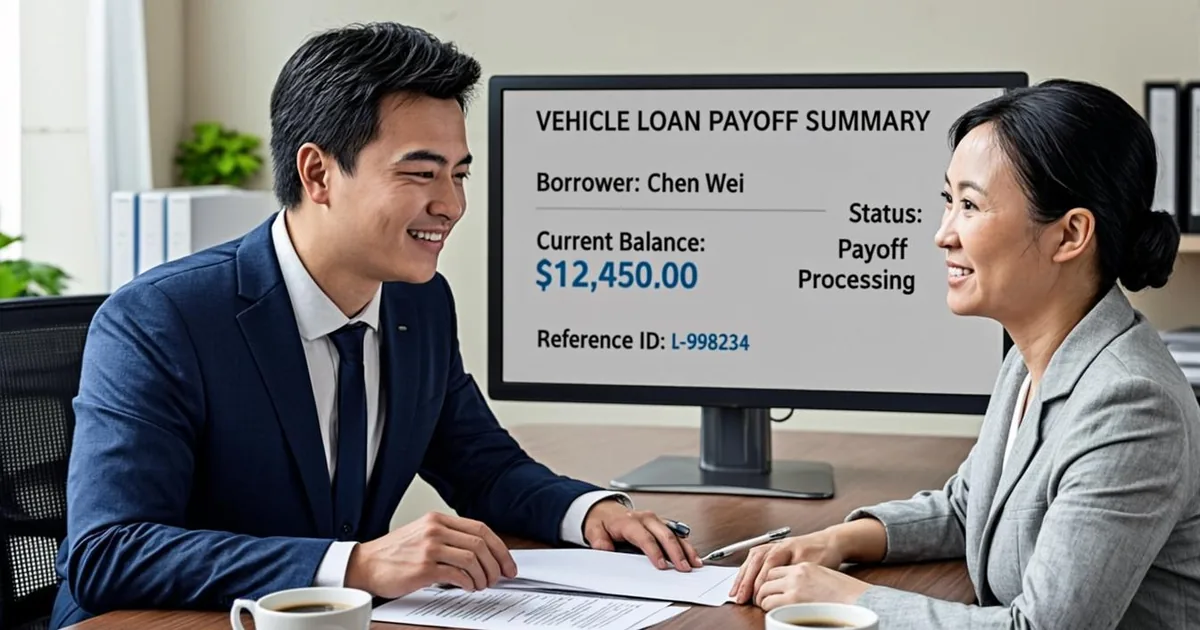
For most owners, the fastest route to a clean title is finishing the loan. Once the balance is zero, the lien releases and the certificate becomes yours, whether that means paper in the mailbox or an electronic record you can print.
- Request an official payoff quote. Get the exact 10-day or 30-day payoff amount in writing, including any per-diem interest, so the check is not short.
- Pay by the lender's required method. Many servicers insist on a cashier's check or electronic transfer for final payoffs, and personal checks can add weeks while they clear.
- Get the lien release moving. In electronic title states the lender files the release digitally, and the state then converts the record to your name only. In paper states the lender signs the title or issues a release letter on letterhead.
- Watch the mail and the calendar. Electronic releases often post within days. Paper releases can take a few weeks, and some lenders are slower than state deadlines allow, so follow up.
- Order your paper title if needed. Florida, for example, lets owners of released electronic titles print a paper copy through the MyDMV Portal for $4.50 or pick one up in a tax collector office for $10.
Timing deserves respect here, because the release is a separate event from the payoff. The lender's system can show a zero balance days before anyone files the release with the state, and paper-title lenders have been known to take a few weeks to sign and mail anything. Ask the servicer for the exact date the release will be filed, then give the state's processing time on top of it before you promise a registration date to anyone.
Keep the lien release letter permanently, even after the new title arrives. You will need it if you sell, if a future DMV clerk cannot see the release in the record, or if you move to another state that re-titles the vehicle from scratch.
Selling a Financed Car With a Lost Title
Selling while the loan is open is routine, and the missing paper does not have to kill the deal. What matters is that the lien gets satisfied in a controlled way, because the buyer cannot register anything until the release posts.
The safest version happens at the lender's branch. The buyer brings funds, the lender accepts the payoff on the spot, releases the lien, and hands over whatever paper the state requires next. Credit unions and community banks do this daily; large national servicers may direct you to an escrow or title service instead.
Dealer trades remove the problem entirely. The dealership pays off the loan as part of the transaction and handles the title paperwork, which is why trading in a financed car feels effortless compared with a private sale.
For private sales with a remote lender, use a verifiable middle step. Pay the servicer directly rather than handing cash to the seller, or run the payoff through a licensed escrow service. A buyer who simply hands the seller money "for the payoff" has no protection if the loan keeps burning.
Buying: Verify the Lien Before You Pay
Buyers should treat the title question as a fact check, not a formality. Ask for the lender's name and the payoff amount, then confirm the story. A call to the DMV or a title records request shows whether the lien on paper matches the seller's story.
The federal National Motor Vehicle Title Information System report at vehiclehistory.gov lists title brands and historical records, and some states expose lien status through online lookups. If the seller claims there is no loan but the record shows one, stop and ask questions.
Price versus payoff is the other math that trips private deals. When the seller owes more than the buyer is paying, someone has to cover the difference at closing, usually the seller, from a second source of funds. Agree on that in writing before the meeting, because a payoff that comes up short leaves the lien alive and the buyer holding nothing but receipts.
A release contingency clause in the bill of sale protects both sides. It states that the sale closes only when the lien release is documented, and it lets a buyer recover the deposit if the lender never follows through. Sellers resist contingencies until you explain that the clause also protects them from a buyer who walks away mid-process.
Healthy deals survive scrutiny. A seller who volunteers the payoff details, agrees to meet at the bank, and offers to sign a purchase agreement contingent on lien release is acting like an owner with nothing to hide.
When the Lienholder Is Gone
Sometimes the lender on the record no longer exists. Banks merge, finance companies close, and small lenders dissolve, leaving a lien stamped on a title with nobody to release it. This is a paperwork puzzle, but states have built exits for it.
Start with successors. Mergers transfer loan servicing to the acquiring institution, and its lien department can research the account and issue the release. When no successor exists, the state DMV becomes the path, usually through an affidavit describing the payoff plus proof such as cancelled checks or bank statements.
Proof quality decides these cases. Monthly statements showing the auto-pay draft, the cashier's check receipt from the final payment, and any closing paperwork from a refinance all count. Ten minutes of digging through old banking records is what turns a defunct-lienholder affidavit from a denial into an approval, so gather documents before you file.
Some states then require a bond or a title review before issuing a certificate without the old lien. Expect inspections, notices, and a few months of waiting. It moves slowly precisely because the state is protecting both you and any future buyer from a phantom lien resurfacing.
What It Costs in 2026
Duplicate fees on financed vehicles follow each state's normal replacement schedule, and the release itself is usually free even when the duplicate is not. Here are the verified 2026 numbers from the state agencies themselves:
| State | Fee | How the lien changes it |
|---|---|---|
| Texas | $2 by mail, $5.45 in person | Lienholder requests the certified copy |
| California | $27 (REG 227) | Titles held electronically; paper on request |
| Florida | $75.25 duplicate; $4.50-$10 to print e-title | Lienholder holds the electronic title |
| Georgia | $8 replacement (MV-1) | Certificate and lien stored together in DRIVES |
| Delaware | $50 (MV213) | Original documents only; lender involved in release |
| Pennsylvania | $53 (MV-38O) | Replacement processed through lienholder |
Fees this different across state lines are one more reason the general replacement guide exists, and why the anatomy of a car title is worth ten minutes of reading before any financed purchase.
Keep the Paper Trail Intact
Financed owners can avoid most of this with a few habits. None of them cost money, and all of them pay off at payoff time.
- Save every loan statement showing the lienholder's exact legal name and address.
- Photograph your registration and any title documents you do receive.
- Ask the servicer, in writing, how it releases liens and how long it takes.
- Set the final payment reminder a month early, so the release gets chased promptly.
- Keep the payoff receipt and release letter with your permanent vehicle file.
If the electronic title in your state was never the issue because the paper simply never arrived after you ordered it, the lost-in-the-mail title rules include free replacements in several states. And if the loan is yours but the sale is already agreed and the certificate vanished, the lost title before transfer guide covers the duplicate-first sequence in detail.
An active loan changes who holds the title, not whether the problem can be solved. Call the servicer, satisfy the lien, document the release, and the certificate follows the money, exactly the way the system was designed.