
Lost motorcycle title replacement follows the same DMV machinery as a car, with a few twists that catch riders off guard. The fees are the same, the forms are the same, but motorcycles change hands more often, sit unridden for years, and vanish into barns and storage units where paper documents do not survive. The result is a bike worth $4,000 with a paperwork trail worth more than the tires.
The fix starts the same way it does for any vehicle: the registered owner applies for a duplicate, pays the state's fee, and waits. The complications show up at the edges — bikes too old for titles at all, project bikes bought with cash and a handshake, and vintage machines whose VINs predate modern databases.
This guide covers the replacement process step by step, what it costs across a sample of states in 2026, the age cutoffs that make a title unnecessary, and what to do when you buy a bike whose certificate is already long gone.
Same Process as Cars, Same Fee Schedule
Most states treat motorcycles exactly like passenger vehicles for titling. The same duplicate application works, the same fee applies, and the same lien rules control who can order it. Delaware titles motorcycles and mopeds like everything else on the road, and Florida's $75.25 duplicate fee does not care how many wheels the vehicle has.
That also means the protections cut both ways. A motorcycle with a recorded lien needs the lender involved before any duplicate issues, an abandoned-title or stolen-history bike needs the state's inspection process, and a duplicate carries the same legal weight as the original certificate.
Online processing has caught up with motorcycles too. Georgia lets owners request a replacement title online through a MyMVD account, per the state's replacement title page. California files REG 227 through the DMV Virtual Office, and Michigan offers a full online duplicate order with a card payment. Riders in those states never touch a counter, and the certificate arrives by mail within the standard processing window.
The forms differ only in name from state to state. Texas uses its VTR-34 certified copy application, California uses REG 227, and Florida uses HSMV 82109 — the same forms car owners file. Pick the one your state publishes for duplicate titles and read the motorcycle line items; a few states charge slightly less for two-wheeled vehicles.
What a Replacement Costs in 2026
These fees come straight from the state agencies, verified for 2026, and they apply to motorcycles the same as cars:
| State | Form | 2026 Fee |
|---|---|---|
| Texas | VTR-34 certified copy | $2 by mail, $5.45 in person |
| Georgia | MV-1 replacement | $8 |
| California | REG 227 | $27 |
| Pennsylvania | MV-38O | $53 |
| Delaware | MV213 | $50 |
| Florida | HSMV 82109 | $75.25, plus $10 fast title |
The spread is enormous — Florida charges nearly forty times what Texas does for the same piece of paper. Riders in fee-heavy states should take the hint and store the certificate well; the full replacement guide lists more states and the online options that skip the counter visit.
Stolen or Lost? Sort It Out Before You File
Motorcycles get stolen at rates cars never see, and a missing title sometimes means the bike's paperwork went with a thief. Before filing anything, spend ten minutes on due diligence. Check the VIN against your state's stolen vehicle database through local law enforcement, verify the bike is where you left it, and confirm nobody else has listed it for sale.
If theft is genuinely possible, file the police report first and reference the case number on your duplicate application. The report creates a record that protects you if the original certificate surfaces in someone else's hands, and it costs nothing. Insurers also want that number before any theft claim discussion.
Genuine losses look boring: the title sat in a folder that went out with the recycling, or a move buried it in a storage box. Either way, the duplicate application starts the clock on a clean replacement, and the stolen-certificate risk fades because a duplicate cancels the original's standing in the state's system.
The Step-by-Step Replacement
- Confirm the bike still needs a title. Age cutoffs vary by state, and some machines age out of the system entirely, which changes everything.
- Find your proof of ownership. Old registration cards, insurance cards, or a bill of sale speed up the application and support your claim to the record.
- Locate the VIN on the frame. Motorcycle VINs live on the steering head or frame downtube, and matching it exactly to your documents prevents the most common rejection.
- Complete the state's duplicate application. Include every owner listed on the record, and get a notarized signature if your state requires one.
- Pay the fee and choose processing. Online and mail options exist in most states; counters issue temporary paperwork where offered.
- Wait out the mail. Processing runs one to four weeks depending on the state, and the certificate follows the address on the vehicle record.
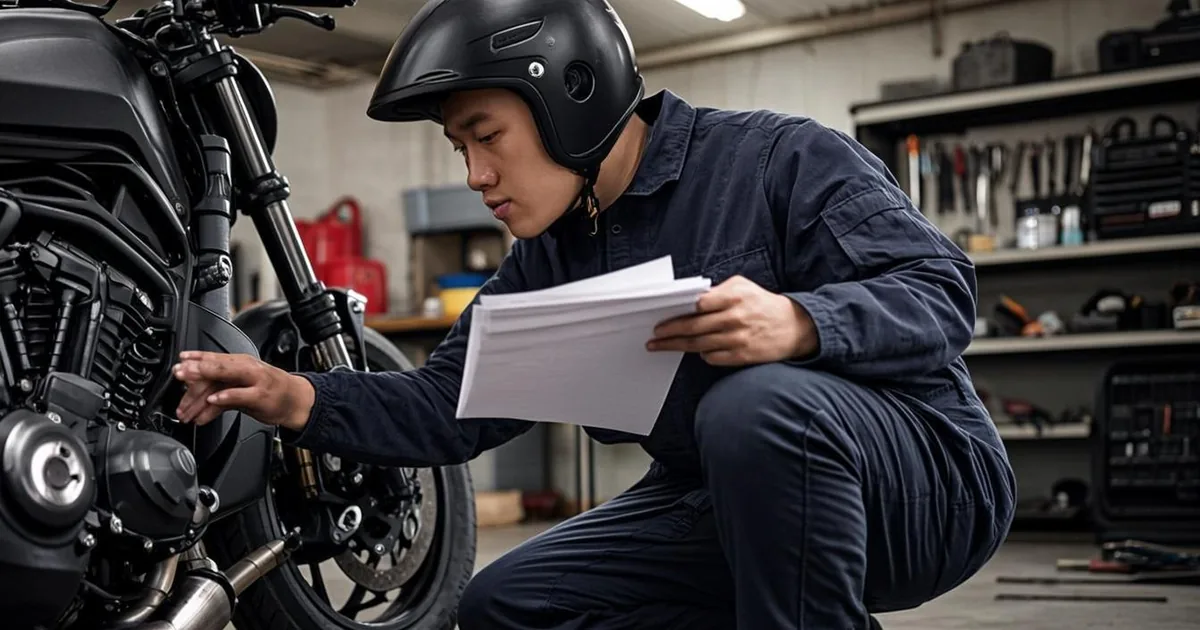
The VIN deserves its own caution. Motorcycle frames get replaced after crashes, engines get swapped, and a bike whose frame VIN does not match the old registration creates a problem no duplicate application can fix on its own. Resolve discrepancies with the DMV before filing, because a rejected application still costs the fee in some states and always costs time.
When Your Bike Is Too Old to Title
Age cutoffs are the motorcycle world's favorite surprise. Connecticut stops titling vehicles once they pass 20 model years old, per state statute, so a 2005 bike needs no new title there — the registration and a bill of sale carry the sale. Florida draws its line at model year 1979, leaving vintage machines to trade on registration papers alone.
If your state's cutoff has passed your bike by, the replacement problem dissolves. There is nothing to replace, because the state will not issue the document to anyone. Sales run on the registration, a signed bill of sale, and whatever history documents exist, which is why the bill-of-sale paperwork guide matters as much for old bikes as the duplicate guides do.
Check the cutoff before paying anyone for a "lost title service." Plenty of riders have paid for elaborate title reconstructions on bikes their state would never title again. One call to the DMV with the model year settles it in five minutes.
Buying a Bike With No Title
No-title motorcycles fill auction sheets and Facebook Marketplace listings, and the price often looks too good to pass up. Sometimes it is a bargain; frequently it is a warning. A missing certificate can mean anything from a garage cleanup to a stolen bike or an odometer-rolled machine with the paperwork conveniently gone.
Run the VIN through the federal National Motor Vehicle Title Information System database at vehiclehistory.gov before any cash moves. The report shows title brands, junk and salvage marks, and history entries for a small fee, and it works for motorcycles the same as cars. A VIN with no records at all is its own red flag, especially on a late-model machine.
If the seller simply lost the certificate, the fix is cheap and fast in most states. Have them order the duplicate first and meet again when it arrives — the same duplicate-first rule that governs every title transfer after a loss. A seller who refuses, or who pushes a photocopy, is telling you what the paperwork would reveal.
Bikes from estate sales add a layer. The deceased owner cannot sign anything, so the heir needs the affidavit or probate paperwork before the title transfers, and the inherited vehicle guide walks through that sequence. Estate bikes are legitimate deals; they just close slower than the listing promises.
Out-of-state bikes bring their own paperwork culture. A machine titled in a low-fee state moving to a high-fee state gets re-titled at the new state's rates, and some states add VIN verification for anything crossing the line. Buying a bike three states away means learning three DMV rulebooks, so budget the research time before committing to a long-distance deal.
The Bonded Title Fallback
Project bikes with decades-old paper trails sometimes cannot support a standard duplicate. The owner of record has died, the bill of sale is a memory, and the state cannot connect you to the vehicle record. Most states offer the bonded title path for exactly this situation.
A surety bond, usually valued at one and a half to two times the bike's worth, insures the state against a competing ownership claim. You submit whatever evidence exists, pass a VIN inspection, post the bond, and receive a bonded title that becomes clean after the bond period runs. It costs a few hundred dollars in most cases and takes months, but it converts a parts bike into a registered ride.
The bond route works best when you have partial evidence: an old registration, dated photographs, a notarized statement from the previous owner's family. States weigh that stack differently, but every document shortens the review. A bike with literally nothing — no record, no bill of sale, no prior registration — may fail the bonded process entirely, leaving auction or parts-only routes as the honest options.
Rebuilt and salvage motorcycles complicate things further. A bike branded salvage needs the state's rebuild inspection before any title issues, and the inspection checklist runs deeper than the average garage is ready for. Budget for both the parts and the paperwork before buying any crashed project.
The inspection usually covers the major component sources, from the frame to the wheels, with receipts expected for anything replaced. Riders who document their rebuild as they go — photos of the donor parts, invoices for the engine work — pass these inspections in one visit. Riders who reconstruct first and document later spend months reconstructing the evidence trail instead.
Keeping the Next Title Safe
Motorcycle titles live hard lives — saddlebag contents, garage floods, and moves between apartments. A few habits protect the replacement certificate once it arrives:
- Store the title at home in a waterproof file, never in the bike's compartments.
- Photograph both sides and back the photos up to cloud storage.
- Confirm the address on the vehicle record before you file anything.
- Release paid-off liens immediately and file the release letter with the title.
- When selling, complete the assignment fully and file the state's notice of sale.
For riders juggling a bike and its paperwork across state lines, the state guides cover the differences: the Florida guide explains the fast-title option, the Connecticut guide covers the paper-first state next door, and the California guide details the online duplicate process. And if you are unsure what the certificate actually proves, the title basics guide takes ten minutes and answers most counter questions before you ask them.
A lost motorcycle title is a delay, not a disaster. File the duplicate, respect the VIN on the frame, check the age cutoff before spending money, and use the bond path only when the paper trail genuinely runs out. The bike is worth it, and so is the ride home with plates on.