

The Nevada vehicle title is the state's official proof of ownership, and almost every DMV transaction starts with it. Lose it, damage it, or buy a car without it, and the Nevada DMV will slow everything down until the paperwork is fixed. This guide walks through every common situation using current Nevada DMV fees, forms, and timelines for 2026.
You will learn how to replace a lost title with form VP 012. You will also see how a private sale transfer works step by step. Finally, this guide covers the state's strict odometer law and your options when there is no title at all. Every fee and form below is verified against the Nevada DMV title page and related state publications.
When Nevada Requires a Title
Nevada titles nearly every vehicle that runs on public roads, including cars, trucks, motorcycles, trailers, and motor homes. Mopeds and off-highway vehicles follow separate rules, but the family sedan, the work truck, and the travel trailer all need titles. If a vehicle is registered in Nevada, a title record exists for it somewhere.
The title matters in three everyday moments. First, when you sell or buy, because ownership only legally moves when the title is signed and submitted. Second, when you finance, because your lender records its lien electronically on that title record. Third, when you inherit, gift, or move a vehicle between states, because the DMV needs the title to rebuild its records.
Nevada also treats the title as the anchor for registration and taxes. The state's Governmental Services Tax is calculated from the original MSRP of the vehicle. That valuation stays attached to the title record for the life of the car. A clean, accurate title keeps those numbers defensible at renewal time.
Replacing a Lost or Damaged Nevada Title
If your Nevada title is lost, stolen, damaged, or never arrived in the mail, the fix is form VP 012, the Application for Duplicate Nevada Certificate of Title. This form works only when the vehicle was last titled in Nevada. If your car still carries an out-of-state title, Nevada DMV will send you back to that state for a duplicate.
Only the registered owner can apply, and the name on the application must match DMV records exactly. You will need the VIN, the license plate number, and a valid ID. If a lienholder appears on the record, the lender controls the paper title, so contact the lender before filing anything.
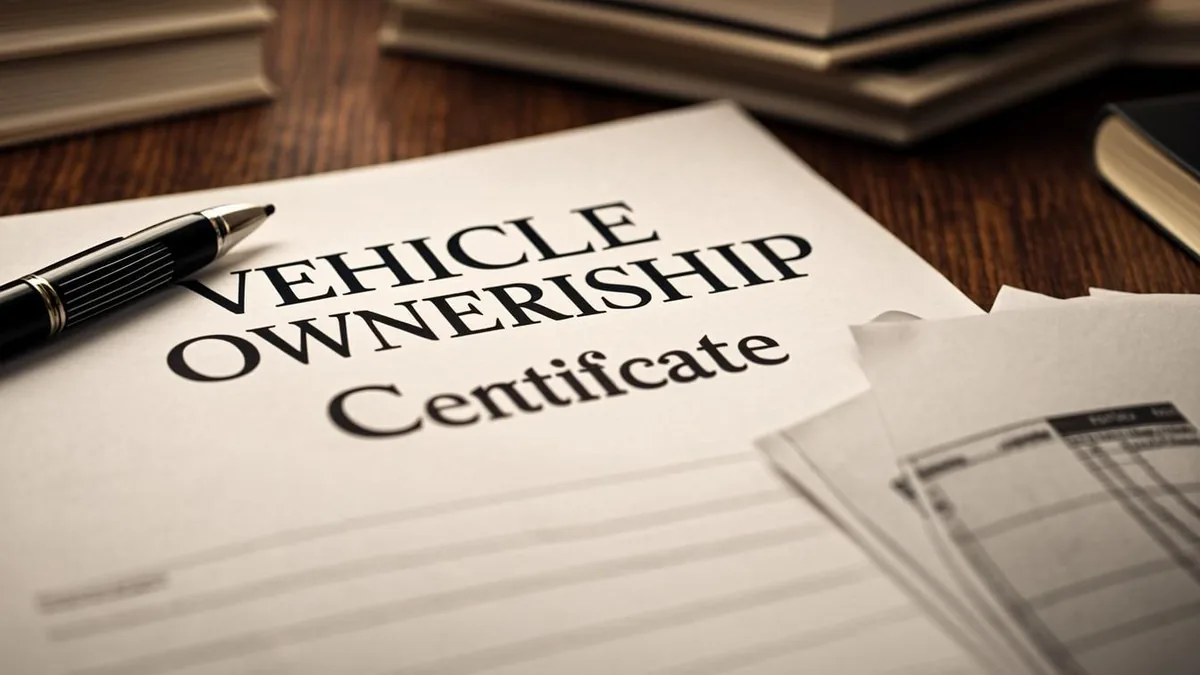
The duplicate fee is $20.00 when the title is mailed to a Nevada address and $35.00 when it must be mailed out of state. You can pay by card using the ADM 205 Payment Authorization Form, by check through the mail, or in person at any DMV office. Cards work online and at the counter.
The DMV mails duplicate titles in approximately two to three weeks. Applications that arrive incomplete are returned, and the clock restarts when the corrected version lands back at the DMV. Fill every field carefully the first time, especially the VIN and the owner name block.
Nevada also runs an online option called Turbo Title. It lets you start a title application online, pay, and then drop off or mail your documents. For busy Las Vegas and Reno offices, starting online and finishing at a drop-off window is often the fastest route. If your original title never arrived, our guide to a title lost in the mail covers the follow-up steps in detail.
Nevada Title Fees at a Glance
Nevada keeps its title fee schedule short, which makes budgeting easy. These are the current fees published by the DMV for standard title transactions.
| Transaction | Fee |
|---|---|
| Complete change of ownership | $28.50 |
| Duplicate title, mailed within Nevada | $20.00 |
| Duplicate title, mailed out of state | $35.00 |
| Add or drop a lienholder (no ownership change) | $20.00 |
| Convert an out-of-state title to Nevada (no ownership change) | $20.00 |
Two cost layers sit on top of these fees for most buyers. Registration and the Governmental Services Tax are due when you register. That tax starts at 4 percent of a depreciated share of the original MSRP. The good news for private deals: Nevada charges no sales tax on private-party purchases, family transfers, or gifts.
Expedited processing and shipping are available for titles when you pay additional fees. If a sale deadline or a bank closing is pressing, ask the DMV for expedited handling when you submit. Standard mail-in titles typically land within a few weeks of a complete application.
The Private Sale Transfer, Step by Step
A Nevada private sale is simple on paper, but the order of operations matters. Start by confirming the seller holds an actual title. Nevada DMV is blunt about this: a bill of sale by itself is not acceptable for a vehicle sale. If the seller cannot produce the title, walk away or wait until they obtain a duplicate.

Once the title is in hand, the transfer follows the same five steps for both sides of the deal.
Step 1: The seller signs the title exactly as their name appears on it. If the title lists two owners joined by AND, both must sign. If it lists them joined by OR, one signature is enough.
Step 2: The seller completes the odometer disclosure for any 2011 or newer vehicle. Nevada enforces the federal disclosure window on these cars, and the seller must hand the buyer a paper title, not a bill of sale.
Step 3: The buyer prints their name in the buyer section exactly as it appears on their driver license. Nicknames and shortened names cause rejections, so match the license character for character.
Step 4: The buyer keeps a dated bill of sale for their records even though the title drives the transaction. Nevada does not tax private-party sales, so the price on the bill of sale is for protection, not taxation.
Step 5: The buyer takes the signed title to a DMV office, or uses the Rapid Registration online process where eligible. They pay the $28.50 transfer fee and complete registration. Nevada expects the transfer to happen within 30 days of the sale date.
If the car will not be driven, Nevada allows a title-only change. A non-operational vehicle can move through the title transfer without insurance, a smog check, or registration. That keeps storage cars and project cars cheap to hold legally.
Nevada's Strict Odometer Rules for 2011-and-Newer Cars
Nevada enforces the federal odometer law more visibly than most states. That changes how newer used cars change hands. Under the federal rule, disclosure is required until a vehicle is 20 years old, starting with the 2011 model year. A 2011 car becomes exempt in 2031, a 2012 car in 2032, and so on.
For a 2011 or newer vehicle, the seller must fill in the odometer reading on the title itself at the time of sale. This applies even if the printed title still says older disclosures are exempt. The DMV is explicit that a bill of sale plus a duplicate title application will not transfer a newer vehicle. Multiple private-party flips using bills of sale are also not allowed for these cars.
The practical takeaway is simple. Never buy a 2011 or newer car in Nevada without receiving its paper title at the moment of sale. If the seller only offers a bill of sale, the deal cannot be completed legally at the DMV. You can read the federal rule directly on the NHTSA odometer information page.
Moving Into (or Out of) Nevada
Bringing a car from another state takes one extra document: the Vehicle Inspection Certificate, form VP 015. Any vehicle that has never been titled or registered in Nevada needs this VIN verification before the DMV will title it. Inspections happen at DMV offices and stations. Meeting at an inspection station is also the DMV's own advice for staying safe when buying from a stranger.
New residents also hit Nevada's insurance wall. Out-of-state insurance is not accepted, so you must buy a policy from a Nevada-licensed carrier. The policy must be in the exact name that will appear on the title and registration. It must be effective on or before the registration date.
Emissions add one more layer in the population centers. Vehicles in Clark County, which includes Las Vegas, and Washoe County, which includes Reno, need a passing Nevada emissions inspection report before registration. Rural counties generally skip the test, but the title process itself is the same statewide.

If you are converting an out-of-state title to Nevada without changing owners, the fee is $20.00. When the conversion comes with a sale, the complete ownership change fee of $28.50 applies instead. If you are leaving Nevada, most states will process the Nevada title as-is. Our California vehicle title guide and Arizona title process explain how neighboring states handle inbound vehicles.
Nevada Edge Cases: Liens, ELT, Inheritance, and No-Title Vehicles
Liens are electronic in Nevada. The state runs a mandatory Electronic Lien and Title program, and the DMV no longer processes non-ELT titles from dealers or financial institutions. After you pay off a loan, the lender releases the lien electronically and the DMV prints and mails your paper title at no charge. If you need to force the issue, form VP 186 is the state's Lien Release document.
Inheritance follows a different paper trail. When a Nevada vehicle owner dies, the DMV's ownership guide lays out paths for transfers with and without probate, including family trust transfers. Our walkthrough on how to transfer a title to a minor and our guides on estate transfers cover the documents executors most often need.
Nevada has no bonded title program. Unlike most states, Nevada does not issue surety bonded titles, so the standard cure for a missing title chain does not exist here. If you bought a car with no title and the seller is gone, your options are limited. You can pursue a duplicate from the last titled state, the DMV's abandoned vehicle process, or a court order declaring you the owner. Our guide to handling a lost title with a bill of sale explains which situations qualify for each route.
Selling limits protect buyers. Nevada residents may sell no more than three personally owned vehicles per year without a dealer license. Subleasing and take-over-payment deals are also illegal when a lien is still attached. That rule is worth remembering in a state where weekly classifieds are full of them.
Verify the Record After Every Transaction
Nevada makes verification easy, so use it. After a duplicate title request, after a sale, and after a lien payoff, confirm that the DMV record actually shows what you expect. A five-minute check today prevents a rejected registration or a disputed sale next year.
Keep four documents together for every vehicle you own: the current title, the most recent registration, the bill of sale from your purchase, and any lien release letter. That folder answers almost every DMV question you will ever face. For RVs, boats, and trailers, the same habit works. Our lost RV title replacement guide covers the wrinkles recreational vehicles add.
If paperwork keeps going sideways, the DMV's Records Section can confirm what the state sees on your title record before you file anything new. One phone call often reveals whether the fix is a simple duplicate or a deeper record problem. For broader planning, our 50-state title guides show how Nevada's rules compare with every other state. Our homepage also has more vehicle title help for every situation.
The Bottom Line
Nevada's title system rewards owners who respect two things: the physical title document and the electronic record behind it. Replace a lost title with VP 012 and a $20 fee. Complete private sales on the paper title itself, and remember that a bill of sale alone moves nothing for a 2011 or newer vehicle. When a lien exists, the mandatory ELT program means your lender, not you, controls the paper until payoff.
The state's quirks are manageable once you know them. There is no bonded title escape hatch, so protect the ownership chain from day one. Verify the record after every transaction, keep your folder of four documents current, and the Nevada DMV will rarely surprise you. That discipline is exactly what keeps a Nevada vehicle title a clean, sellable, bankable document for the life of the car.