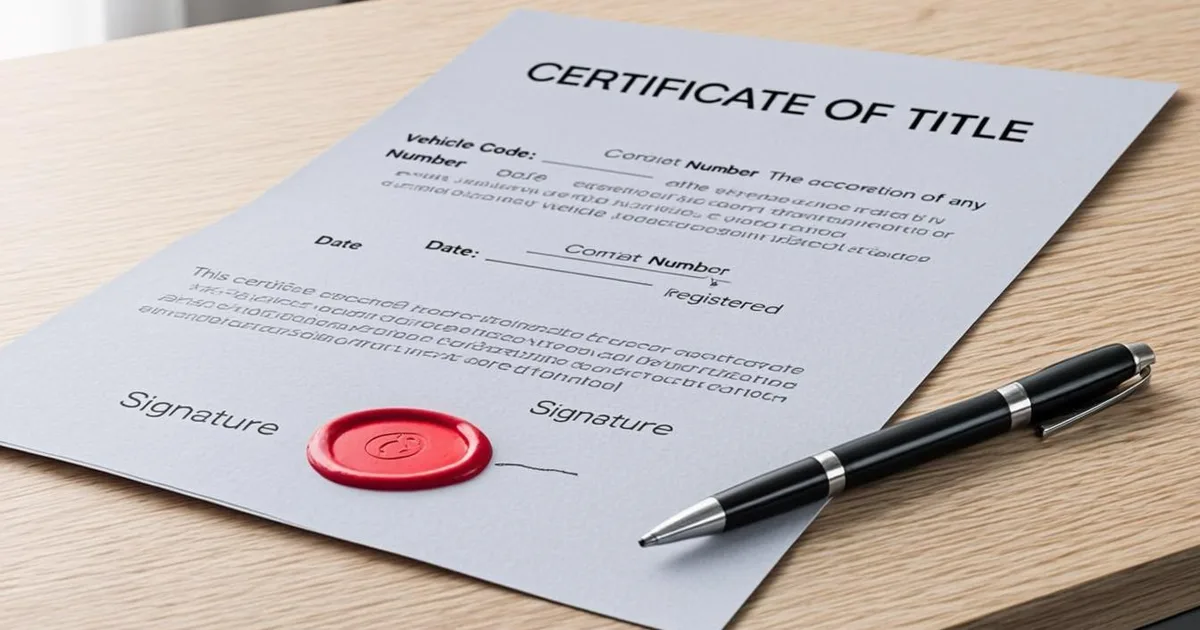
Holding the paper title in your hand puts you ahead of most people clearing a lien. No waiting on a lender's mailroom. No electronic-title puzzles to solve — and that head start shows up at every later step.
But the bank's name printed in the lienholder box still controls what you can do. The record at the DMV matters as much as the paper in your drawer.
This guide covers the exact next moves. You'll learn what a properly released paper title looks like, and when a separate release letter substitutes for a signature. Then you'll turn it into a clean certificate at the DMV and handle the mismatch cases.
Table of Contents
- What a Released Paper Title Looks Like
- Turning the Released Title Into a Clean One
- When Paper and the State Record Disagree
- Selling or Transferring With a Released Title
- Who Can Sign, and When a Notary Enters
- Using a Released Title for Refinancing
- Edge Cases That Surprise People
- Keeping the Record Clean Going Forward
- The Federal Layer: Odometer and VIN Rules
What a Released Paper Title Actually Looks Like
Lenders clear paper titles one of two ways. The cleaner method: the lender's authorized agent signs and dates the lien release section printed on the title itself.
That section usually sits on the front near the lienholder box. Often it carries a stamp reading "lien released" or "paid in full". When that signature exists, the document itself is your proof.
Most DMVs will process a new title from it directly. The second method is a separate lien release letter on lender letterhead. It names the vehicle by VIN, states the loan is satisfied, and is sometimes notarized.
Some states accept this letter alone. Others want it attached to a title application to create the new certificate. A handful of states want both the letter and the old title submitted together.
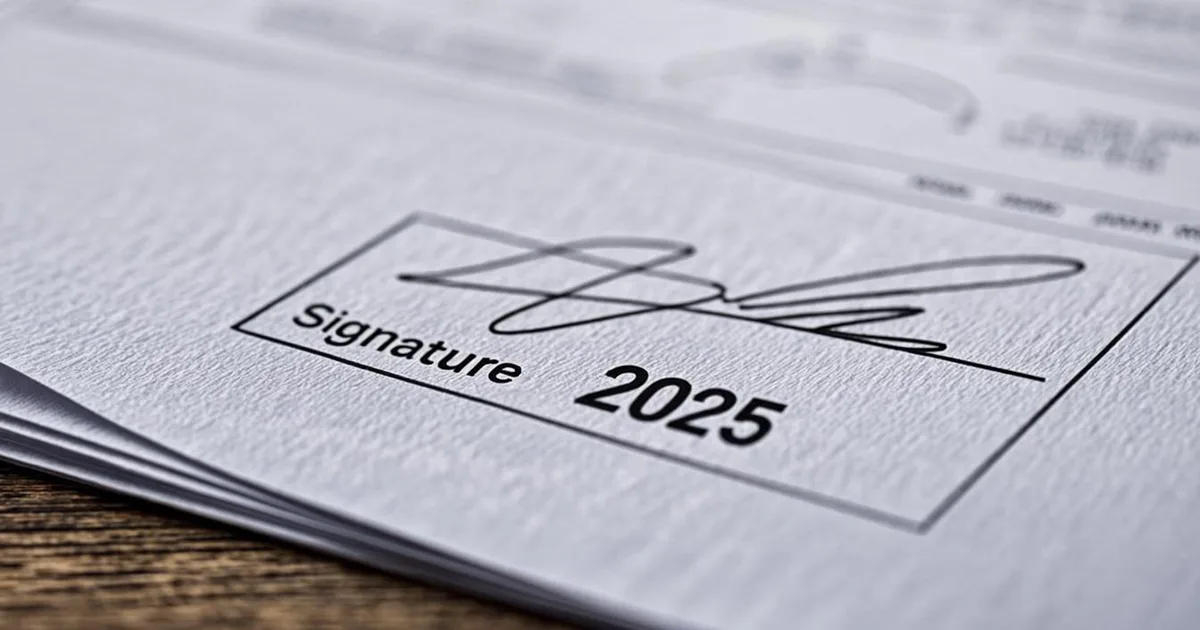
- The lender's authorized signature shows up in the release section.
- The release date falls after your final payment date.
- The VIN on the title matches your dashboard plate.
Turning a Released Paper Title Into a Clean One
- Confirm the state record matches your paper. If the DMV's system still shows the lien active, your release document is what updates it. If the record already shows released, you may not need anything more than patience for a reissued certificate.
- Complete the state's title application for a reissued title with no lien. Most states use their usual duplicate-title form. Just leave the lien section empty.
- Attach the proof: the signed-released title, the lender's letter, or both if your state wants the pair. Add your ID and the fee — usually $10 to $35.
- Submit at the DMV or by mail. In-person processing issues the clean certificate same-day in some states; mail runs two to six weeks.
- Verify the new certificate: only your name in the owner section, and an empty lienholder box. That paper is your sellable, giftable, refinance-ready proof.
When the Paper and the State Record Disagree
Three mismatch patterns appear at DMV counters regularly. Each has a known fix.

Paper shows released, state still shows active lien. The lender released to you but never notified the state, which is common with smaller credit unions in paper-title states. Bring the released title and demand the state update.
If the clerk can't update it, the lender files the electronic release. Escalation routes are in our full lien release guide. Either path ends with the record matching your paper.
State shows released, your paper still lists the lien. Easiest case: apply for a replacement title and the new certificate prints from the cleared record.
Your old paper turns into a keepsake — nothing more.
Both show a lien but the loan is long paid. The release never happened anywhere. Start at the lender with your payoff proof and follow the demand-letter path.
If the lender merged or vanished, successor-liability rules and bonded titles apply. The release guide above covers both routes.
| Scenario | What You Hold | Next Move | Typical Cost |
|---|---|---|---|
| Released title, clean record | Signed-released title | Optional reissue for clean paper | $10–$35 |
| Released title, stale record | Released title + payoff proof | DMV update with evidence | Usually free |
| Release letter only | Letter + old title | Joint submission for reissue | $10–$35 |
| Unreleased everywhere | Payoff letter | Lender demand, then escalation | Time, not money |
Selling or Transferring With a Released Paper Title
A paper title showing a released lien is legally transferable in most states. The release signature satisfies the lien question. But private buyers get nervous, and their clerks may ask questions.
Spend $15 on a clean reissued title before listing the car. It removes every objection before it starts and photographs better for online listings. That beats weeks of buyer doubts.
Family transfers follow the same logic. A spousal transfer or a broader family gift works from whatever title exists. The new owner still gains from a lien-free start.
Tax-exemption forms don't care about lien status. The DMV's record does.
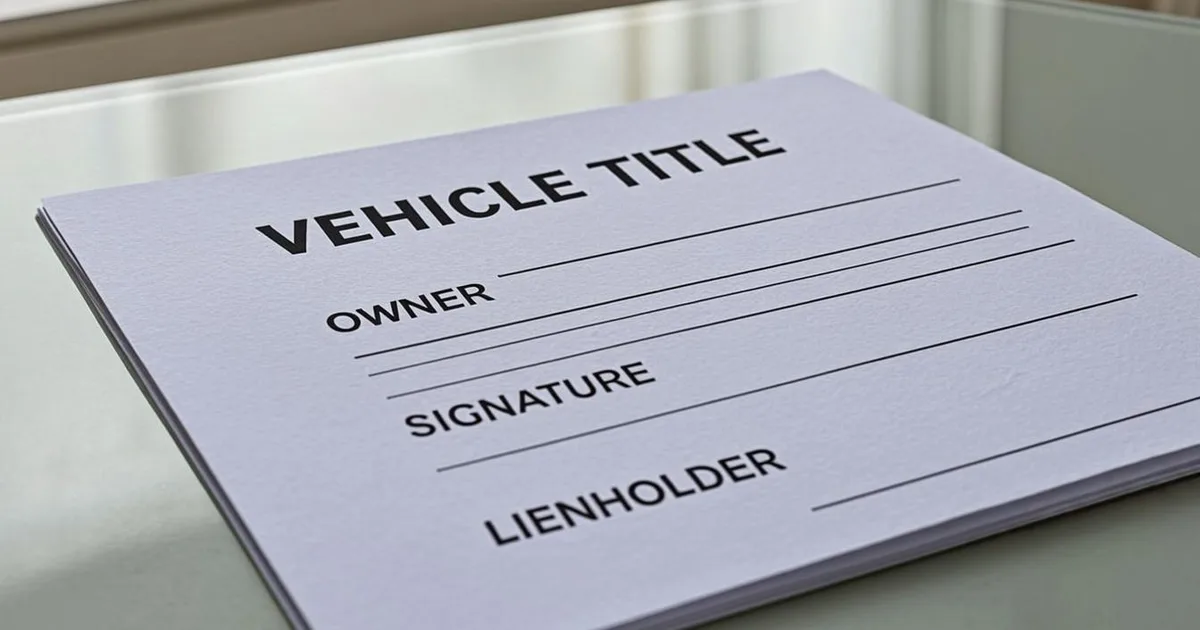
Who Can Sign, and When a Notary Enters
The release signature must come from someone the lender authorized. That means a title-department agent, a branch manager with lien authority, or the bank's automated endorsement. A loan officer signing without authority creates the "wrong line, wrong person" problem — and that forces a reissue.
If your release letter names a signatory, check the letterhead against the lienholder of record. Subsidiaries and servicing companies make that match tricky.
Notary rules split by state and by document type. Most states accept the lender's plain signature on the title itself. Release letters float free — and some states want them notarized.
California, for example, handles reg 2-releases and title releases routinely with no notary. A few stricter states want the letter acknowledged instead.
One call to your DMV's title line settles it before you burn a counter trip. Co-owners add the final wrinkle.
The lien release clears the bank. Transferring ownership still needs every owner's signature on the assignment. The legal substitutes: a divorce decree, a death certificate, or a court order.
A released title with two living owners and one absent is a family problem before it's a DMV problem. The clerk will hand you the affidavit forms that start the legal fix.
Using a Released Title for Refinancing
A clean or releasable title is just what a refinance lender wants. The new lender becomes the new lienholder, and the DMV runs a lien swap — not a fresh ownership. Holding the released paper title already puts you ahead — ask for the payoff quote early and the swap moves fast.
There's no waiting on the old lender's release cycle and no electronic-title lag. It's just a counter visit or mail packet that swaps one lien for another.
The sequence in most states is simple. The refinance lender sends the title application plus its lien filing fee, and you sign as owner. The new certificate prints showing you as owner and the new bank in the lienholder box.
Your old released title gets returned, marked, or retired depending on the state. Keep it until the new certificate arrives. Then file it with the loan's closing papers.
If your state holds titles electronically during a loan, the swap happens fully in the database. Paper prints only at payoff. Either way, a released title in your hand is the fastest start a refinance can get.
That's one more reason to complete the reissue step. It pays off even when the old release already works.
Edge Cases That Surprise People
Say the title arrived damaged, with the release already on it. Water damage, a torn corner, or faded ink still works if every field reads clearly. Shaky documents invite rejections — order the clean reissue at the usual duplicate fee and retire the fragile original.
The lender signed the wrong line. A release signature in the wrong section sometimes forces a reissue from the lender before the DMV accepts it. Call the lender's title department, since they reissue free for their own errors, usually within two weeks.
Two names on the title, one owner gone or absent. The release clears the lien, but transferring ownership still needs both signatures or the legal path around them. That means divorce decrees, death certificates, or court orders depending on the situation.
The DMV clears liens. It doesn't resolve co-owner disputes.
Some lenders hold titles even in paper-title states. The certificate sits in escrow until payoff. Your "title in hand" may then be the release letter plus a record printout.
That arrangement applies when the lender held the paper all along. The reissue step at the DMV does what the lender's mailroom would have done. It just runs under your control and on your schedule.
Keeping the Record Clean Going Forward
Once the clean certificate arrives, photograph both sides. Store the original somewhere fireproof — not the glovebox, where any car break-in takes it. A bank safe-deposit box or a fireproof home safe both work.
The physical title is the one document that replaces itself slowly. Anyone who has worked through our lost-title replacement guide knows the wait.
Check the state's title record once a year. Stale liens creep back through data glitches — catching one early means a counter visit, not a lender archaeology project. If the paper title goes missing after all this, the duplicate process is the same as ever.
If a loan ever comes back, our lost title with an active loan guide maps the lender coordination. For the document itself — owner sections, lien boxes, odometer rows — the car title explainer is the reference.
The Federal Layer: Odometer and VIN Rules on the Paper
Two federal rules shape what any paper title must show — released or not. The federal Odometer Act requires disclosure on vehicles 20 model years old or newer. That disclosure must be complete to be valid — older vehicles drop out of the window entirely.
A released title with a blank or illegible odometer field creates exactly the kind of defect a reissue fixes cheaply. Check that field before you rely on the document.
VIN integrity is the second rule. The 17-character VIN on the title must match the dashboard plate, the door sticker, and the federal record. Repo-era vehicles, rebuilds, and old farm trucks sometimes carry a typo that crept in decades ago.
The mismatch often shows up only when a buyer's state runs the check. VIN fixes go through the DMV's inspection process. The National Highway Traffic Safety Administration publishes the rules inspectors apply.
Practical takeaway: before relying on any released title for a sale or refinance, read three fields. Check owner names, odometer, and VIN. Two minutes of reading prevents the two rejections these fields cause.
And if a fix comes first, it prices your negotiating position honestly. Whatever the paperwork does, the principle stays the same.
The state record is the real title; paper is just its messenger. Keep the messenger clean and the record updated. Then every future move — sale, gift, refinance, estate — stays the one-visit errand it should be.